
Start with a representative sample
Water results are only as useful as the sample behind them. Take the sample from the outlet or source you want to understand, using a clean bottle suitable for the requested analysis and following any instructions supplied with your IAS order.
If the water is used for several purposes, tell us which use matters most. That context helps the IAS team advise on the most appropriate testing package and interpret the result clearly.
Before you fill the bottle
- Choose the normal point of use, such as the cold kitchen tap or the outlet used for livestock water.
- Remove temporary attachments such as hoses, filters or aerators where practical, unless your sampling instructions say otherwise.
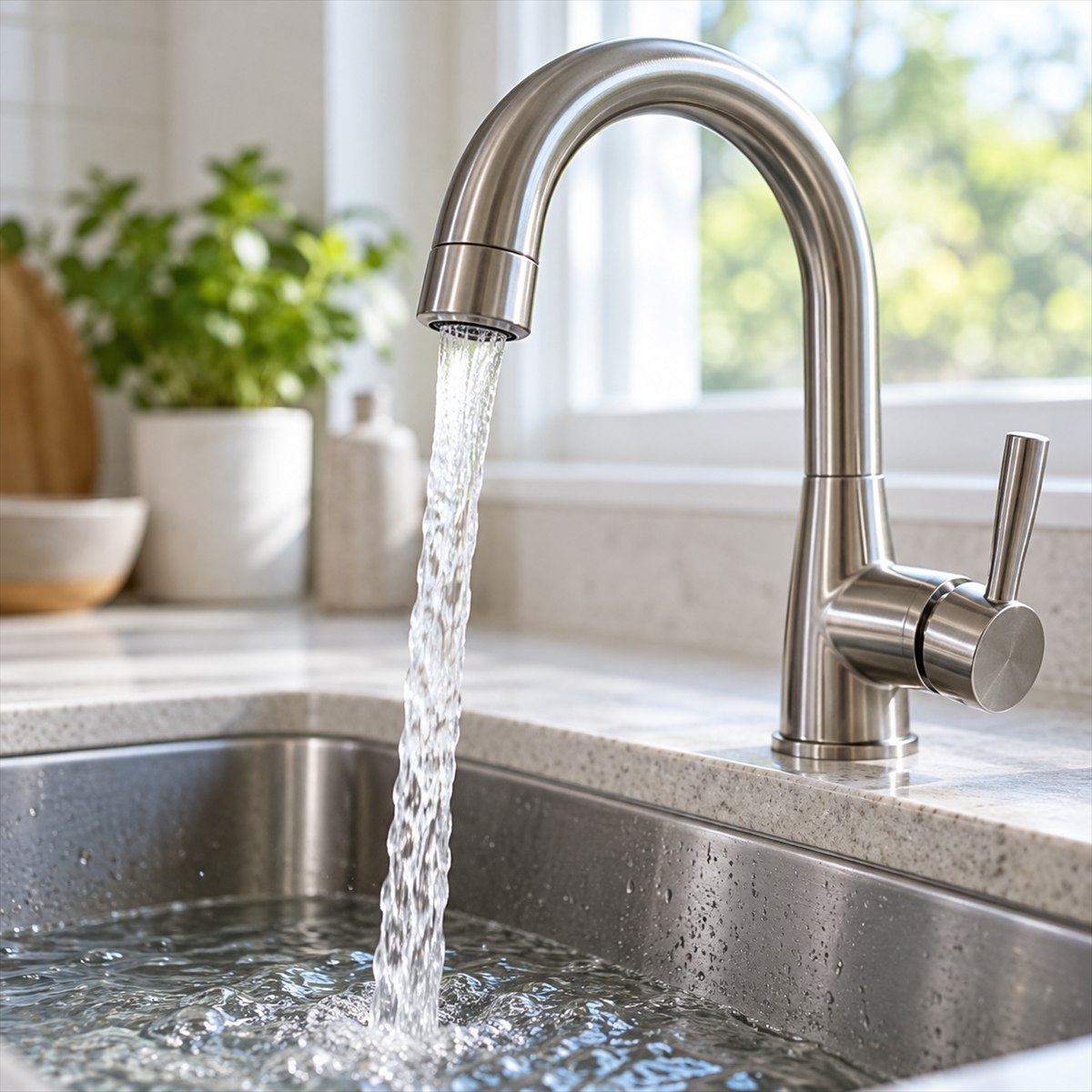
- Run the cold water long enough to clear standing water from the tap and pipework. Avoid taking the sample immediately after cleaning, chlorination or other maintenance.
Fill, close and label carefully
- Wash your hands and avoid touching the inside of the bottle, cap or neck.
- Fill to the indicated level without rinsing out any preservative that may already be in the container, then close the cap securely.
- Record the sample location, date and time. Note anything unusual, such as recent flooding, heavy rainfall, a change in taste or an interruption to the supply.
Return the sample promptly
Keep the sample cool and protected from direct sunlight while it is being returned. For drinking-water samples, deliver it within 24 hours of collection to keep the result “within accreditation specification”. IAS does not test drinking-water samples on Fridays, so plan collection and delivery accordingly. Include the completed submission details so the laboratory can match the sample to your order.